Dicotomia
It is no longer a matter of speaking about space and light,
but of making the space and light that are already there speak for themselves.
(Maurice Merleau-Ponty, from “L’oeil et l’esprit”)
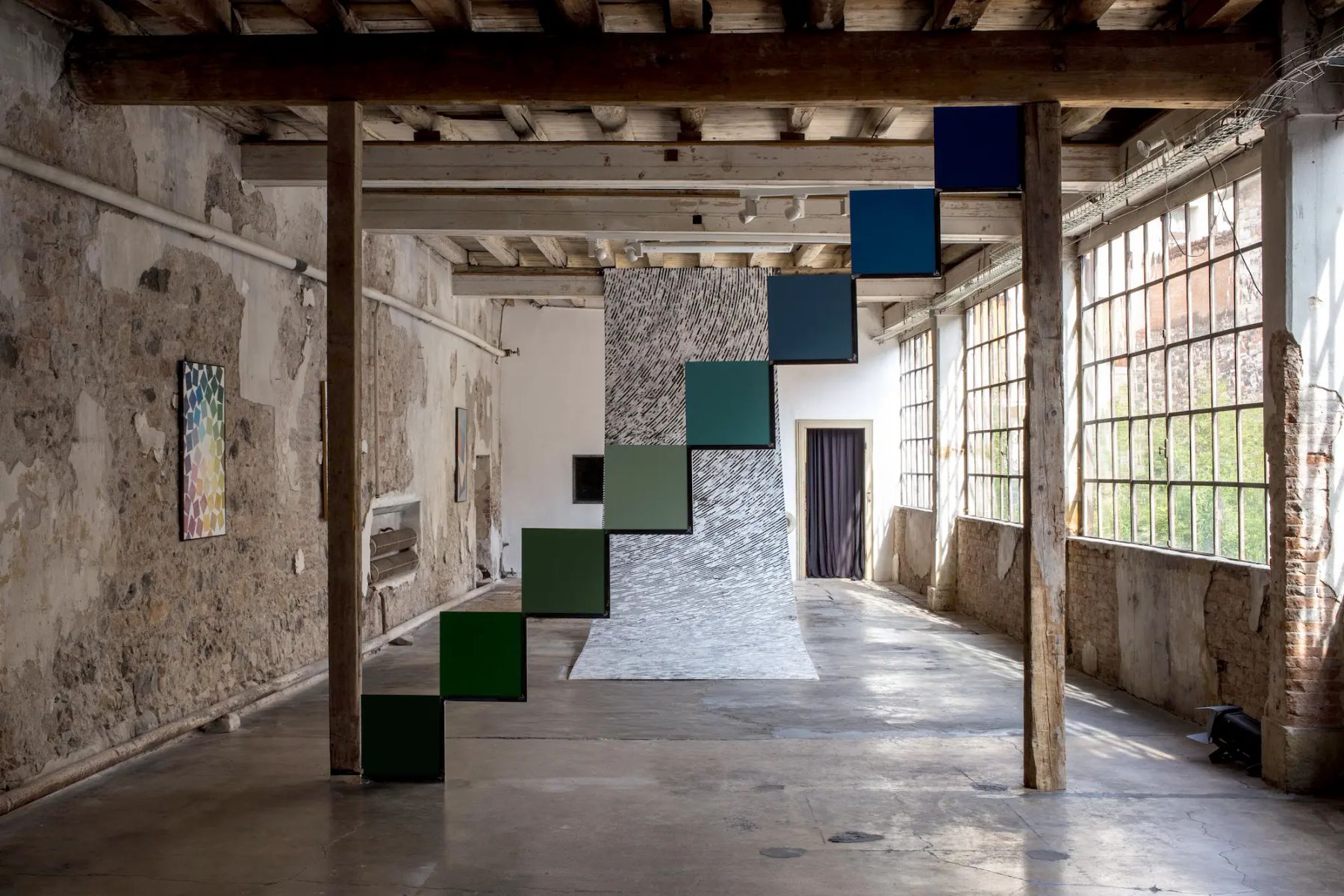
Human beings have this instinctive tendency to read, in the immense book of the world, an infinite series of dualisms. It is difficult to say whether this is a quality that truly belongs to nature, or a method peculiar to our mind, called upon to decipher its infinite signs and their combinations. The fact remains that the world presents itself to us through a spectrum of infinite dichotomies. There is one — in the quotation that introduces this brief text — in which Luca Boffi Alberonero’s work seems to find its reflection and synthesis: space/light. But Merleau-Ponty links this dichotomy to another, more subtle and thorny one: space/light—that is, nature — as a spoken object or a speaking subject. In art and aesthetics, this latter dilemma is destined to remain unresolved: who is the artist? An interpreter and narrator of nature, or someone who rewrites it? Boffi seems to belong to this second category, linking himself to a tradition that originates with Kazimir Malevich. In Luca Boffi’s case, this connection may even seem too immediate, given his use of the square as a pure form — the prime number of his artistic mathematics. In truth, the aesthetic legacy that Boffi seems to draw from Suprematism is far less superficial: it lies, first and foremost, in conceiving art as an instrument of pure expression — not limited to describing reality through its own language, but rather to enriching it through new signs and their possible combinations. However, this yet another dichotomy between abstract art and nature is resolved in Boffi’s works in such a way that the latter is never excluded or denied by the former. Nature remains, in fact, an endless archive of objects that the artist habitually studies carefully, selects, breaks down, then reassembles and translates into the purity and vividness of the square — always through one or more color palettes. But Boffi’s art easily finds a home even when the space is no longer a natural landscape in the strict sense — of woods and countryside, en plein air. His installation for Atipografia plays with natural light, which, filtering through the windows, seems to split the architectural space in two, generating new dichotomies: between light and shadow, movement and stillness, art and architecture. Even in the human natural landscape — the urban landscape, whether it be a street or a room — the artist never takes his eyes off the interweaving of signs that must be unraveled and made to fit together.
Vittorio Parisi
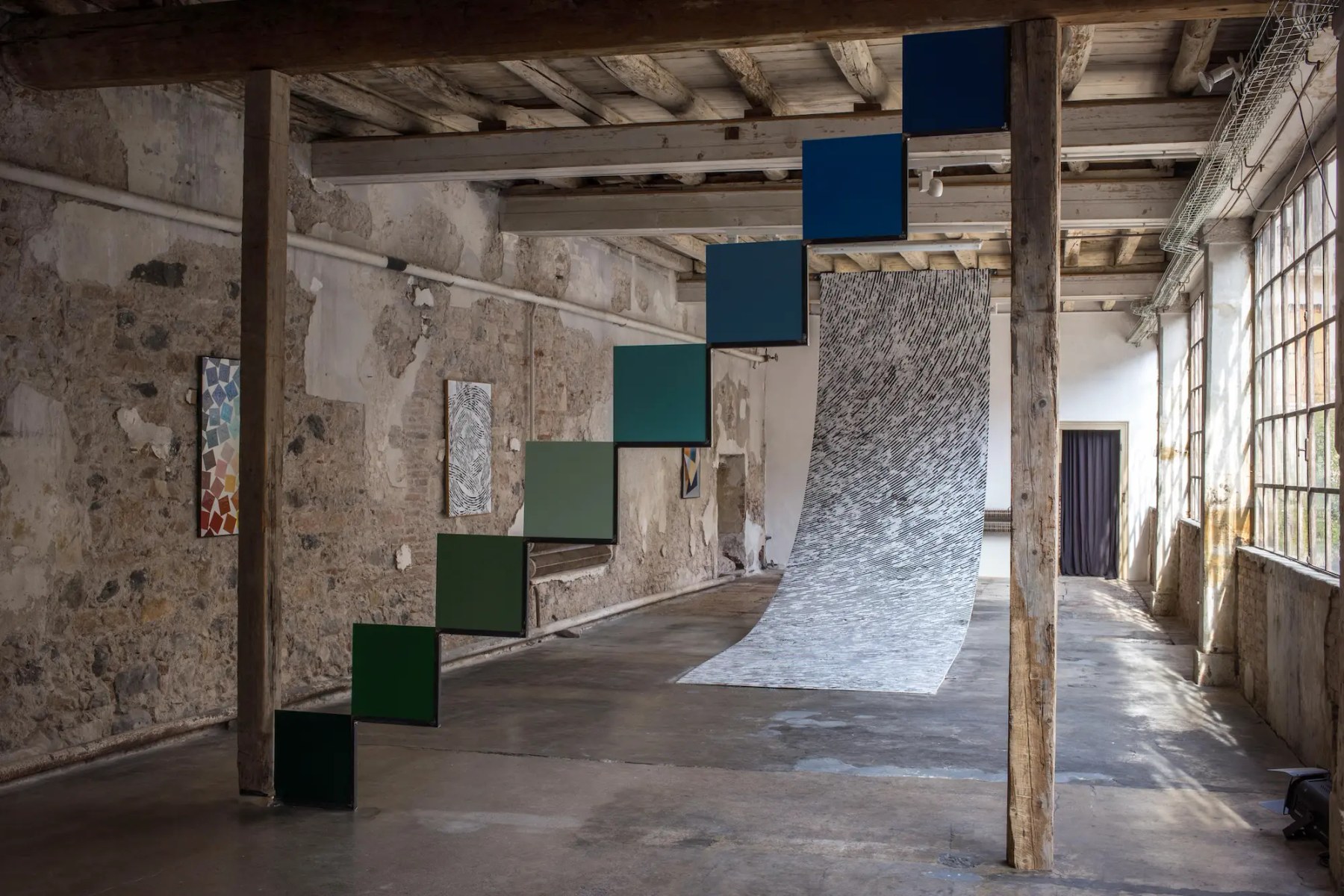
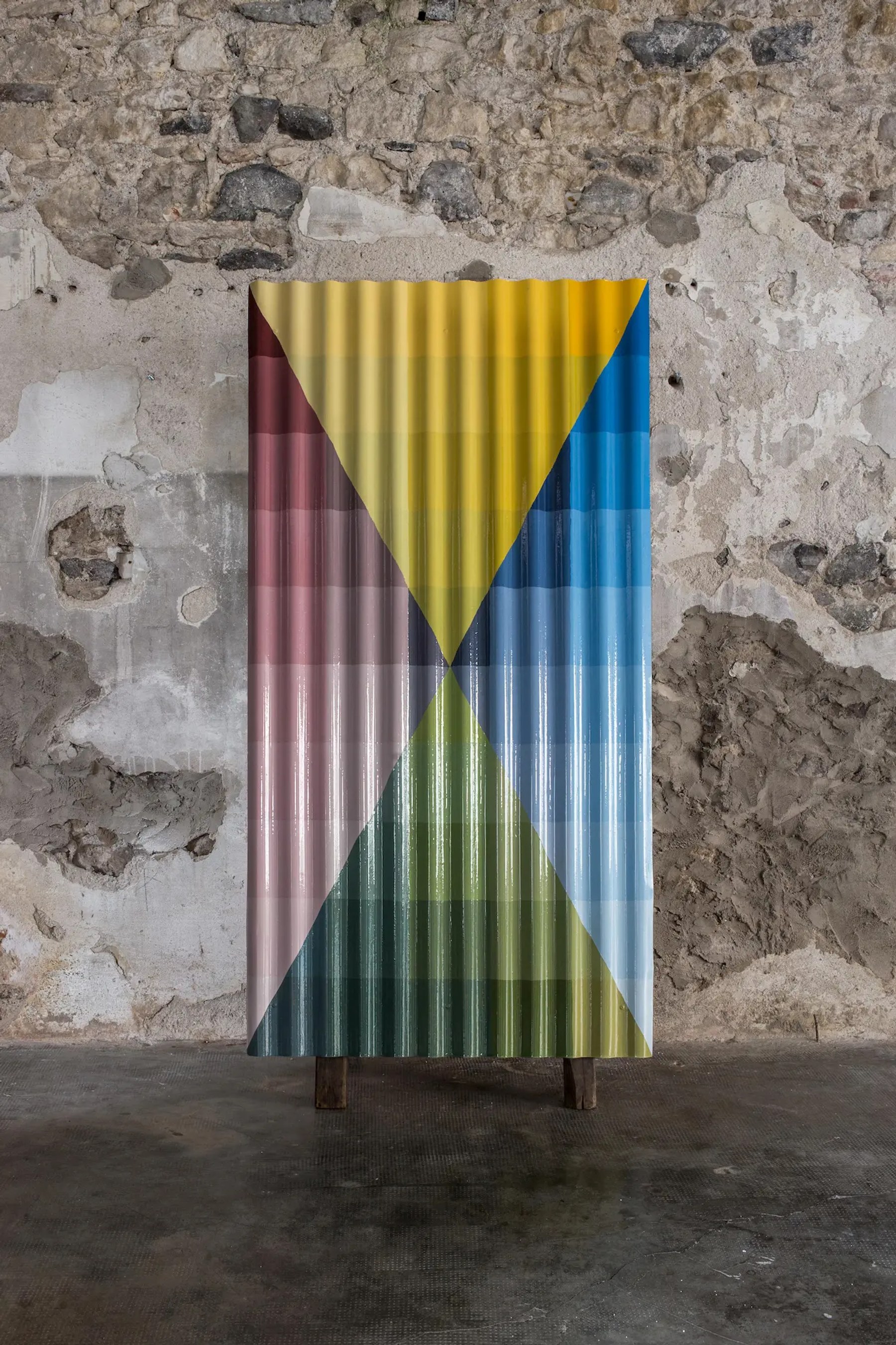
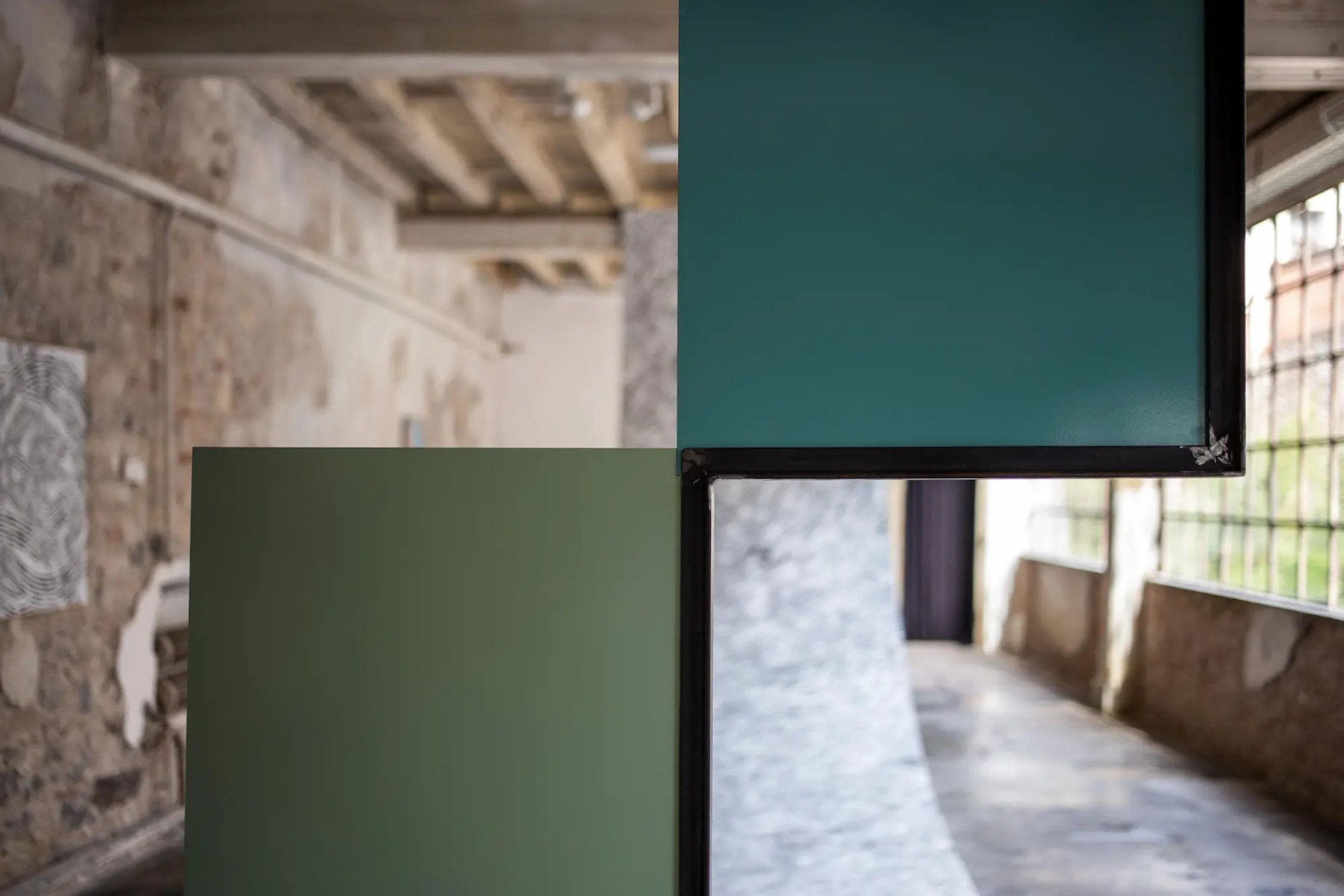
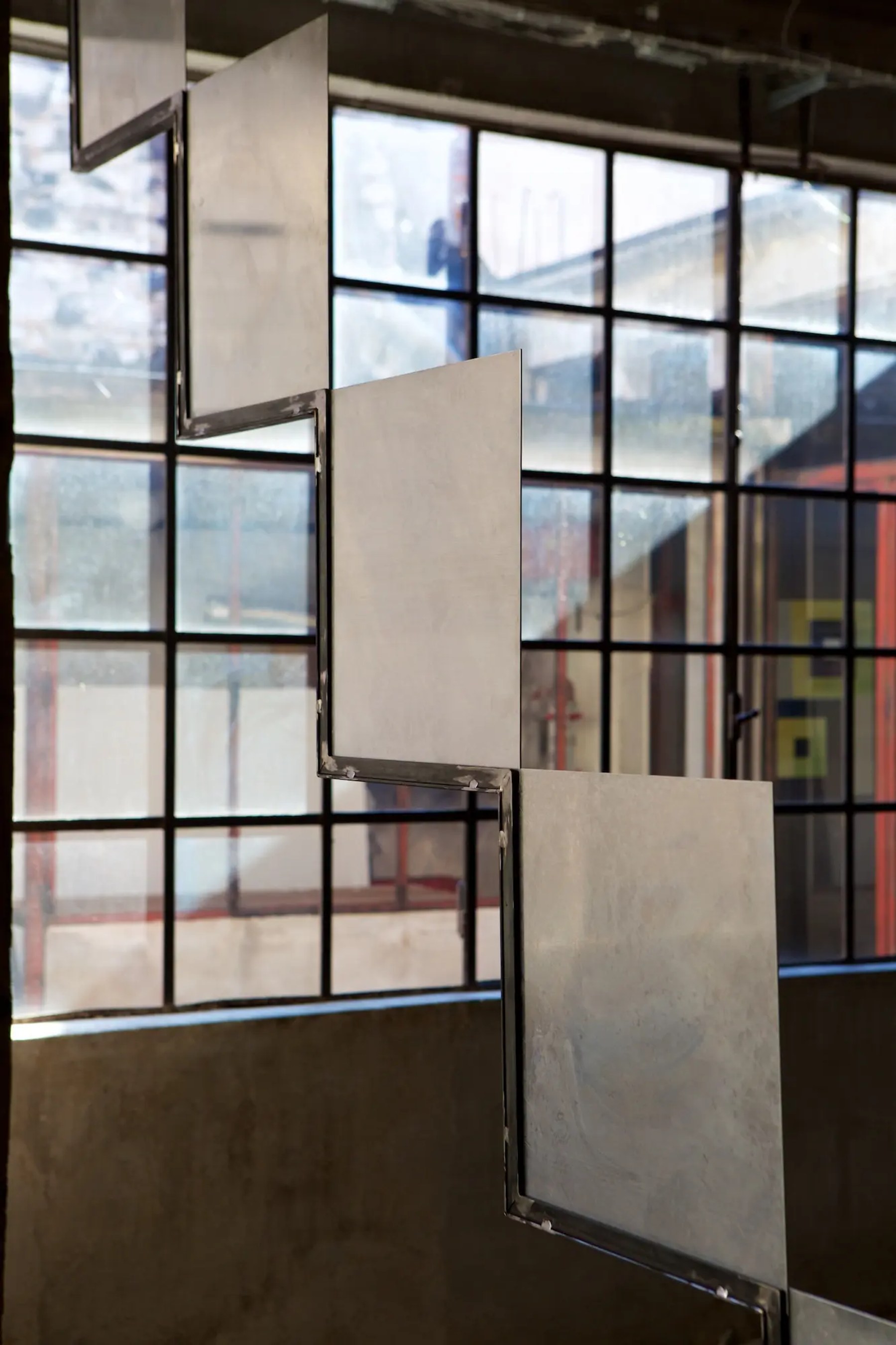
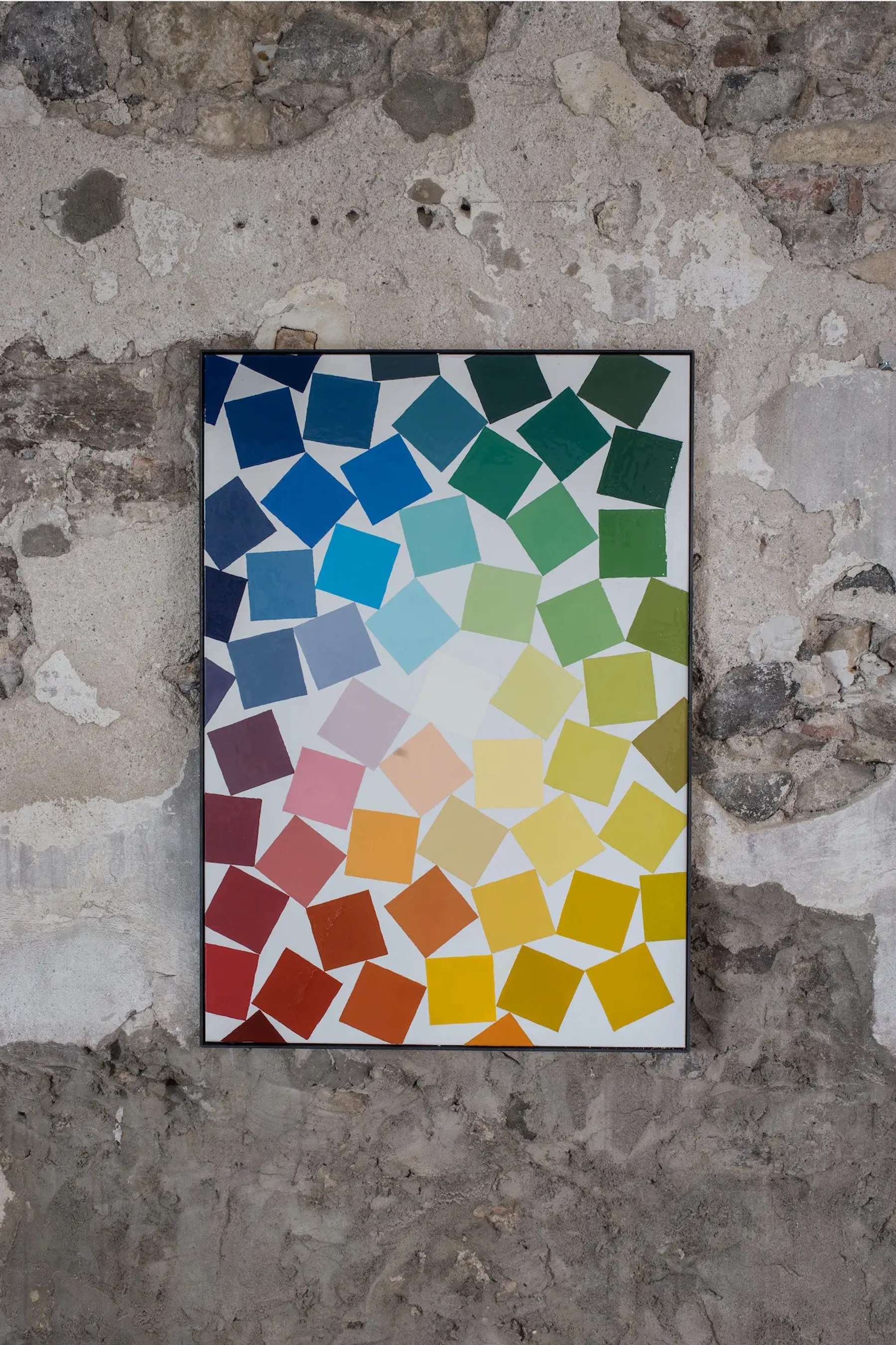
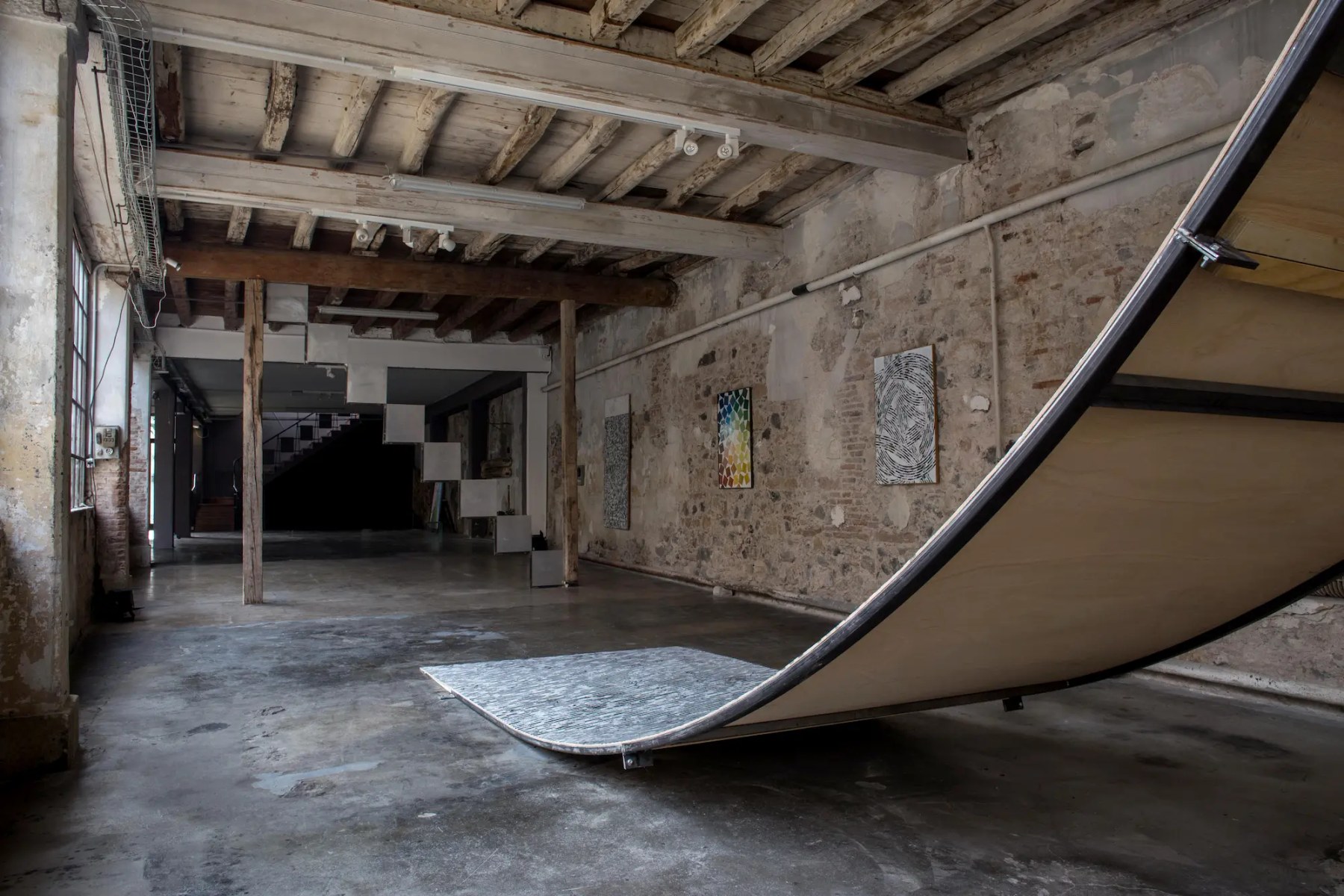
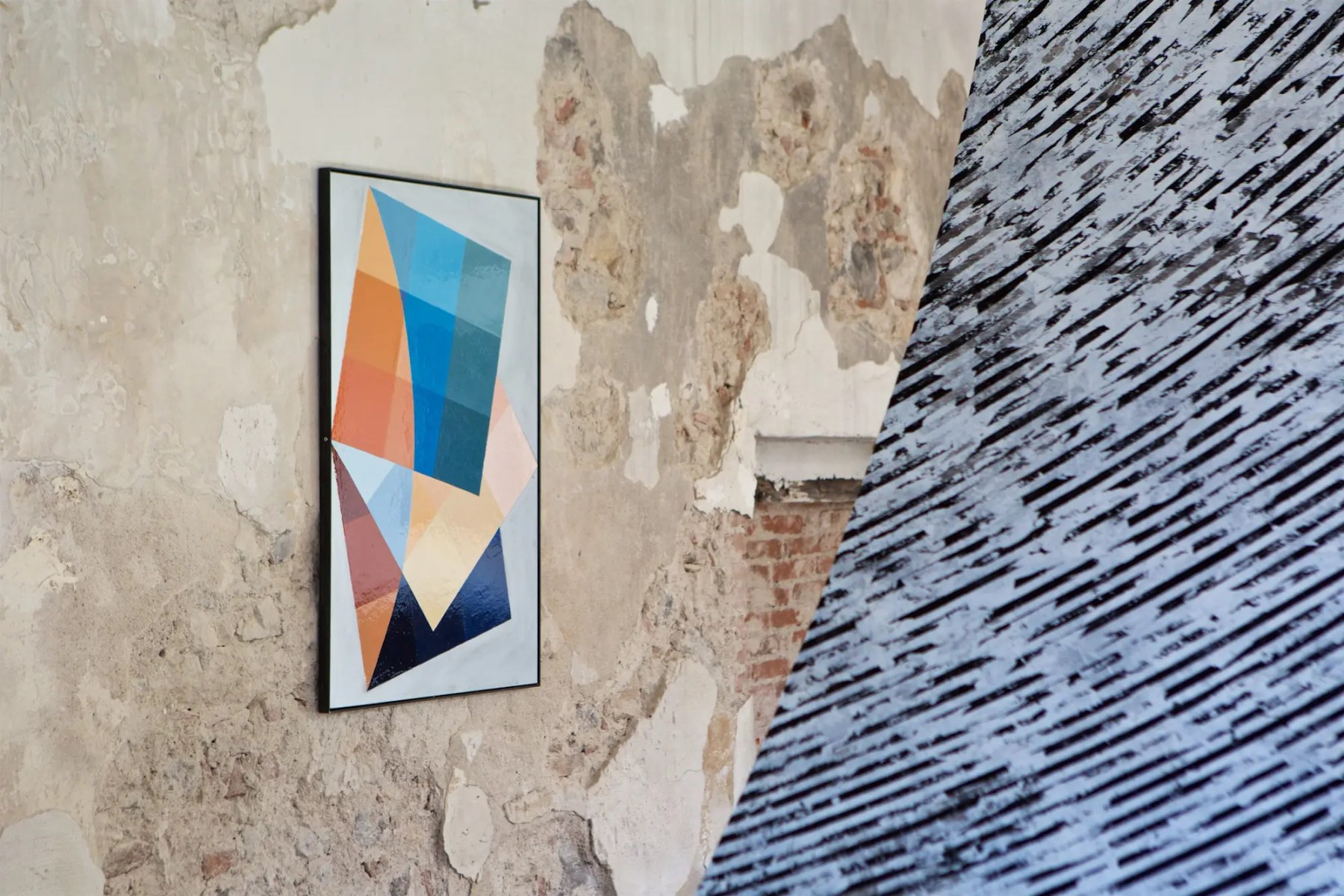
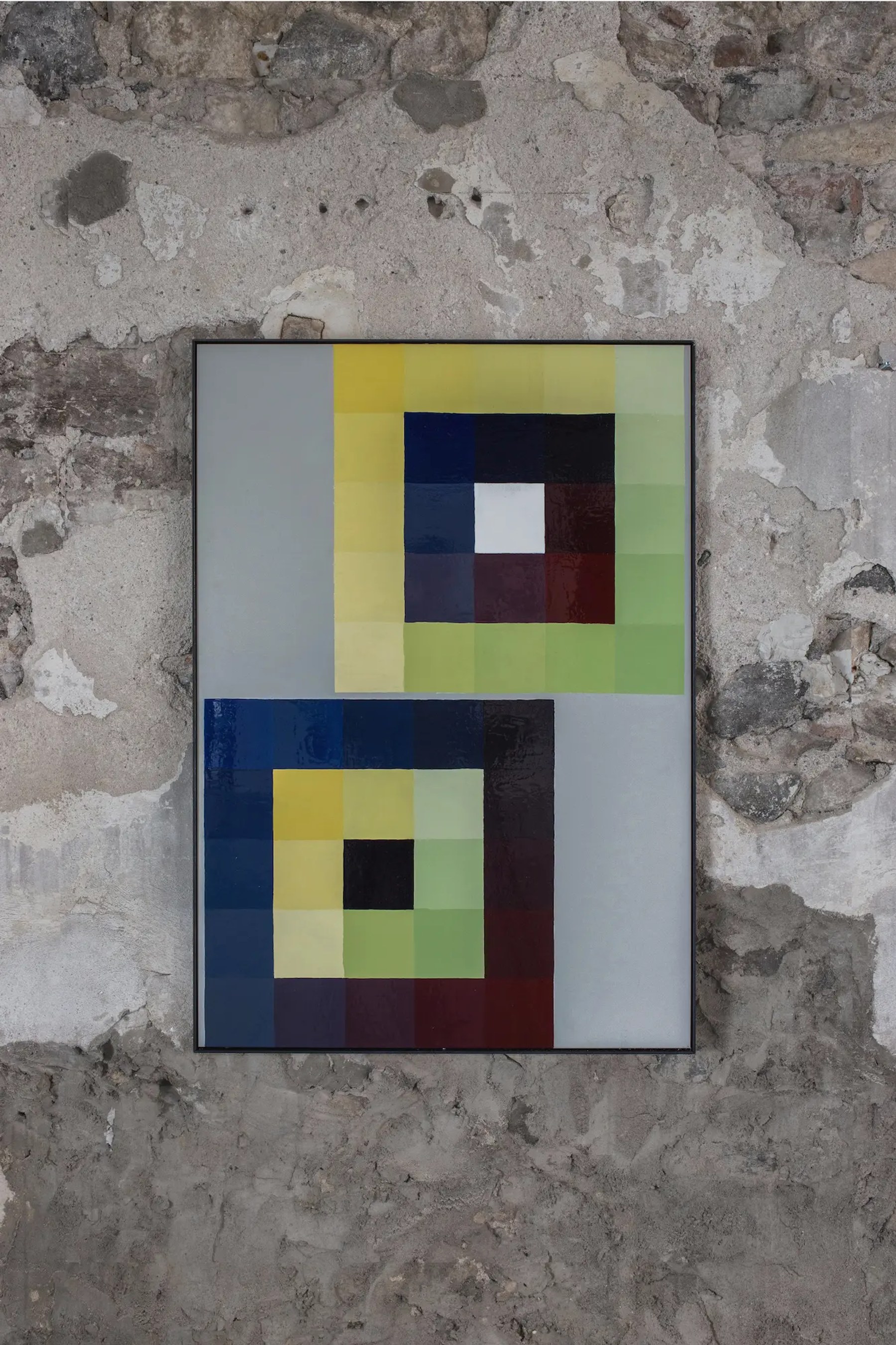
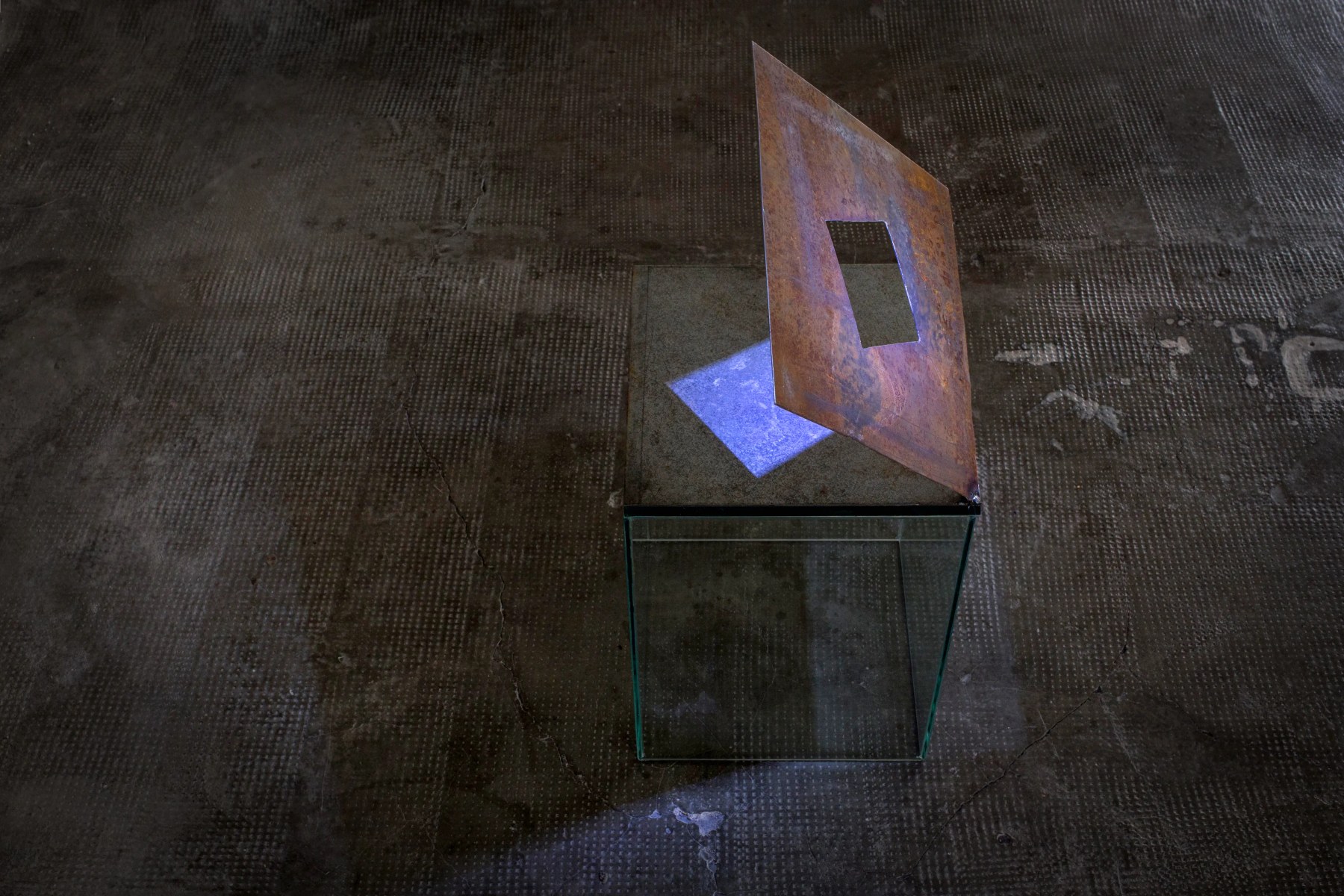
Photo © Angelo Jaroszuk Bogasz
- ExhibitionPrizes grantSenz'aria2026, San Fedele, Milan
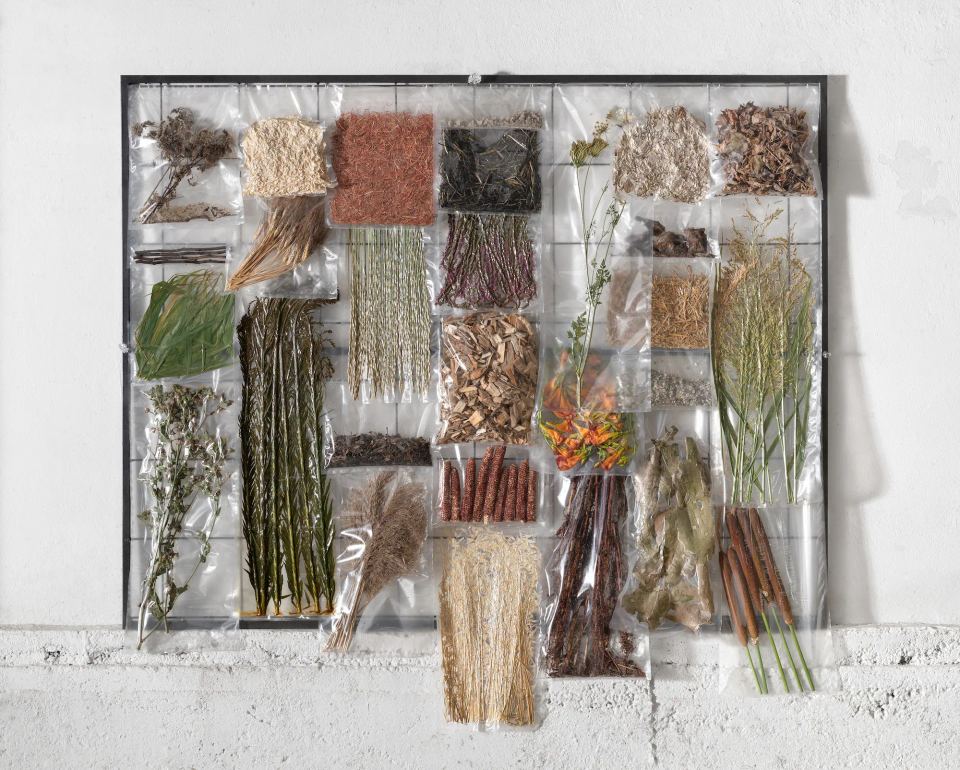
- ExhibitionDays and nights2026, Vien Musica dal Chiostro, Lodi, Italy
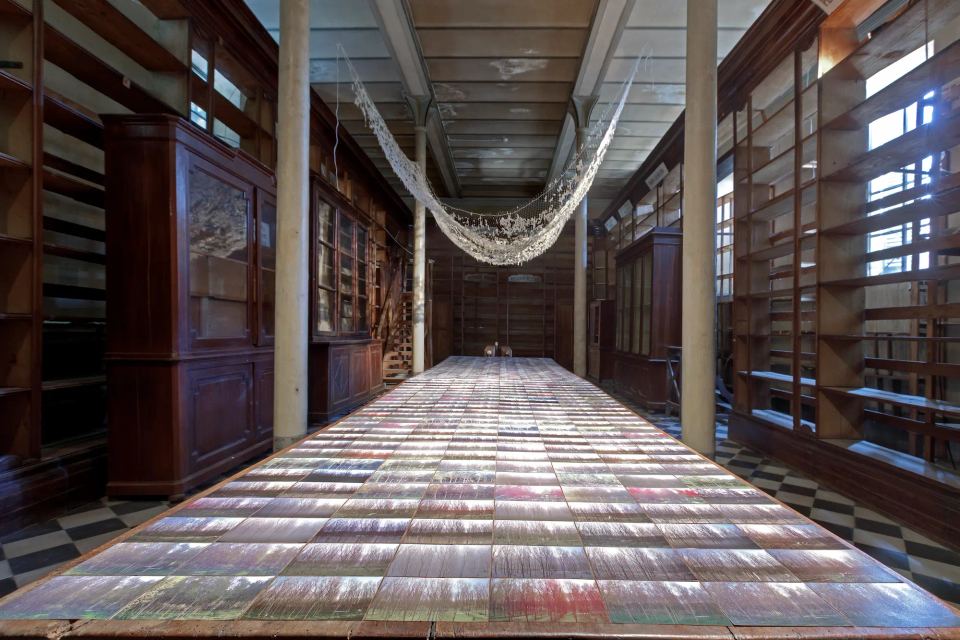
- ExhibitionInstallationUn bagliore dai campi2026, Lodi, Italy
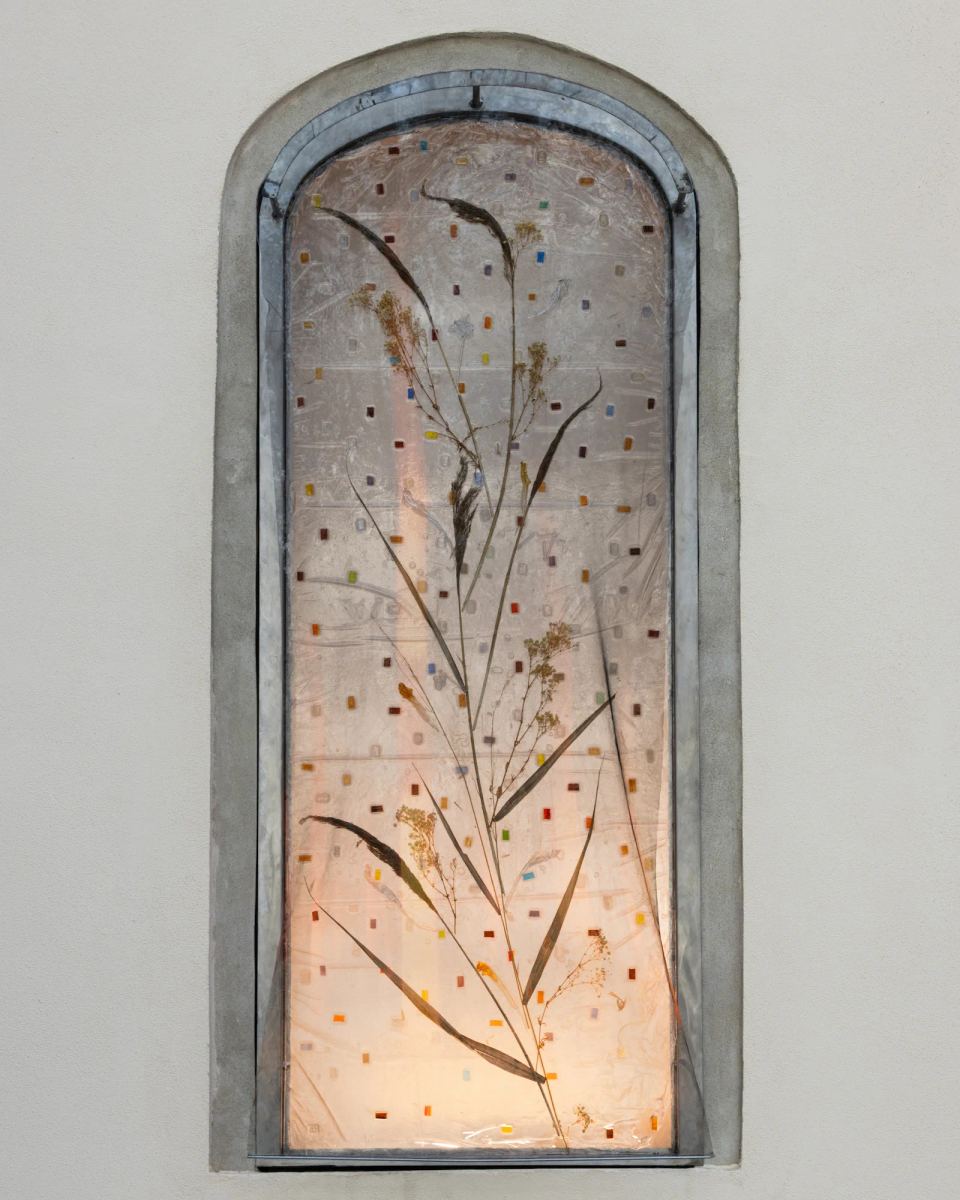
- ExhibitionPrizes grantTu sei l'insetto2025, Museo della Permanente, Milan
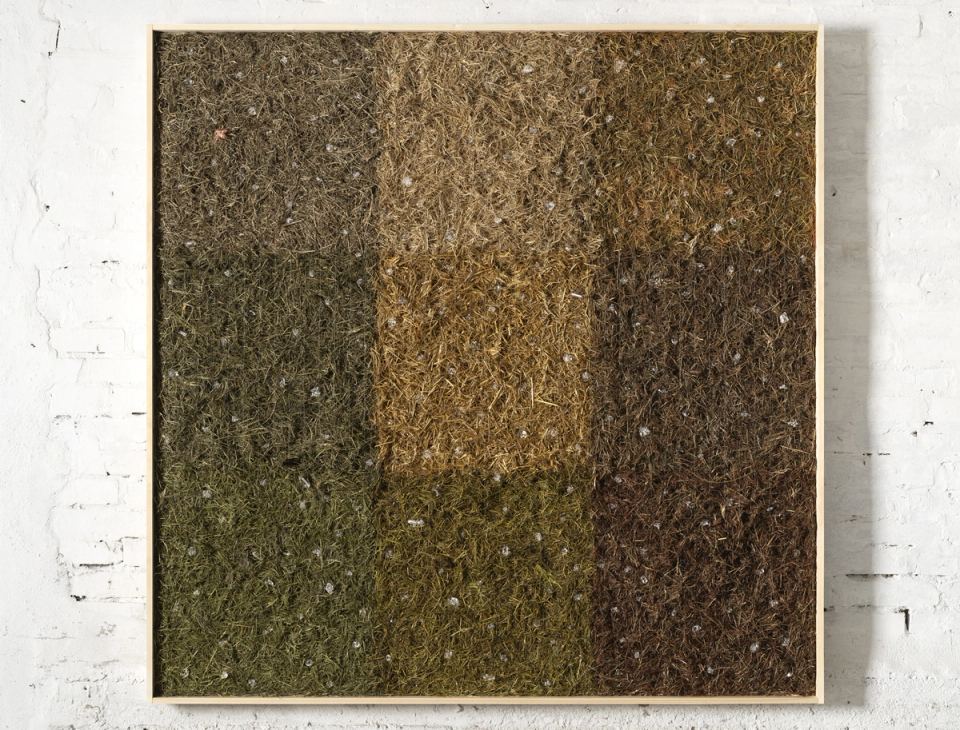
- FieldworkExhibitionPerformancePrizes grantEridano, il Po2025, Teatro Sociale Danilo Donati, Luzzara, Italy